The Role of Gut Health in Overall Wellness: What You Need to Know

December 16, 2025
Introduction
Your gut is more than a digestion engine: it is a central player in immunity, mood, metabolism and even skin health. The community of bacteria, fungi and other microbes that live in the gut is called the gut microbiome, and its balance influences how you feel, sleep and respond to stress. This article explains why gut health matters, practical ways to support it, and when to seek professional advice. Tips are relevant for life in the UAE and easy to apply alongside medical care. At iheal, we connect you with carefully vetted practitioners and licensed professionals (DHA/CDA where applicable)who can help you improve gut health safely, in a culturally competent and multilingual way.
Quick summary: what you will learn
- Why the gut microbiome matters for immunity and mood
- How diet shapes your gut bacteria and health outcomes
- The role of fibre, prebiotics and probiotics
- How sleep, stress and movement affect the gut
- Signs of an imbalanced gut and when to test
- Practical food and lifestyle steps to improve gut resilience
- Supplements and targeted supports to consider carefully
- Gut friendly habits for children and families
- Travel and climate tips for gut stability in the UAE
- When to see a practitioner and what tests to consider
Why the gut microbiome matters for overall wellness
The gut microbiome helps break down food, synthesise vitamins, train the immune system and maintain the gut barrier. Microbial metabolites influence inflammation and communicate with the brain via the gut brain axis, affecting mood and cognition. A diverse, balanced microbiome is associated with lower inflammation, better metabolic health, and improved resistance to infections. Many people, with small changes to diet and routine have noticed improvements in energy, sleep and even skin conditions such as eczema. Integrating these strategies with evidence-based medical care leads to the best outcomes.
Diet is the primary driver of gut composition
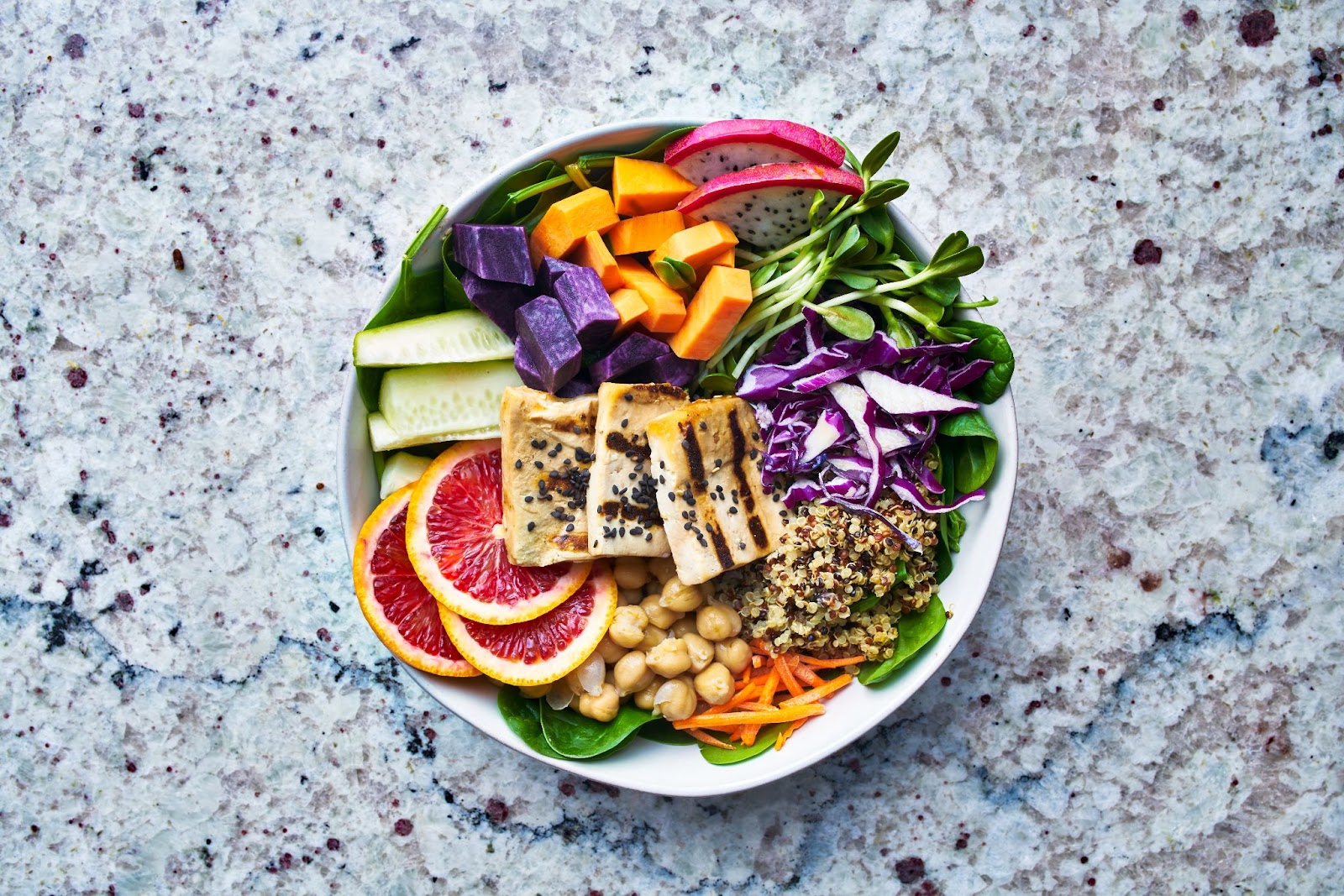
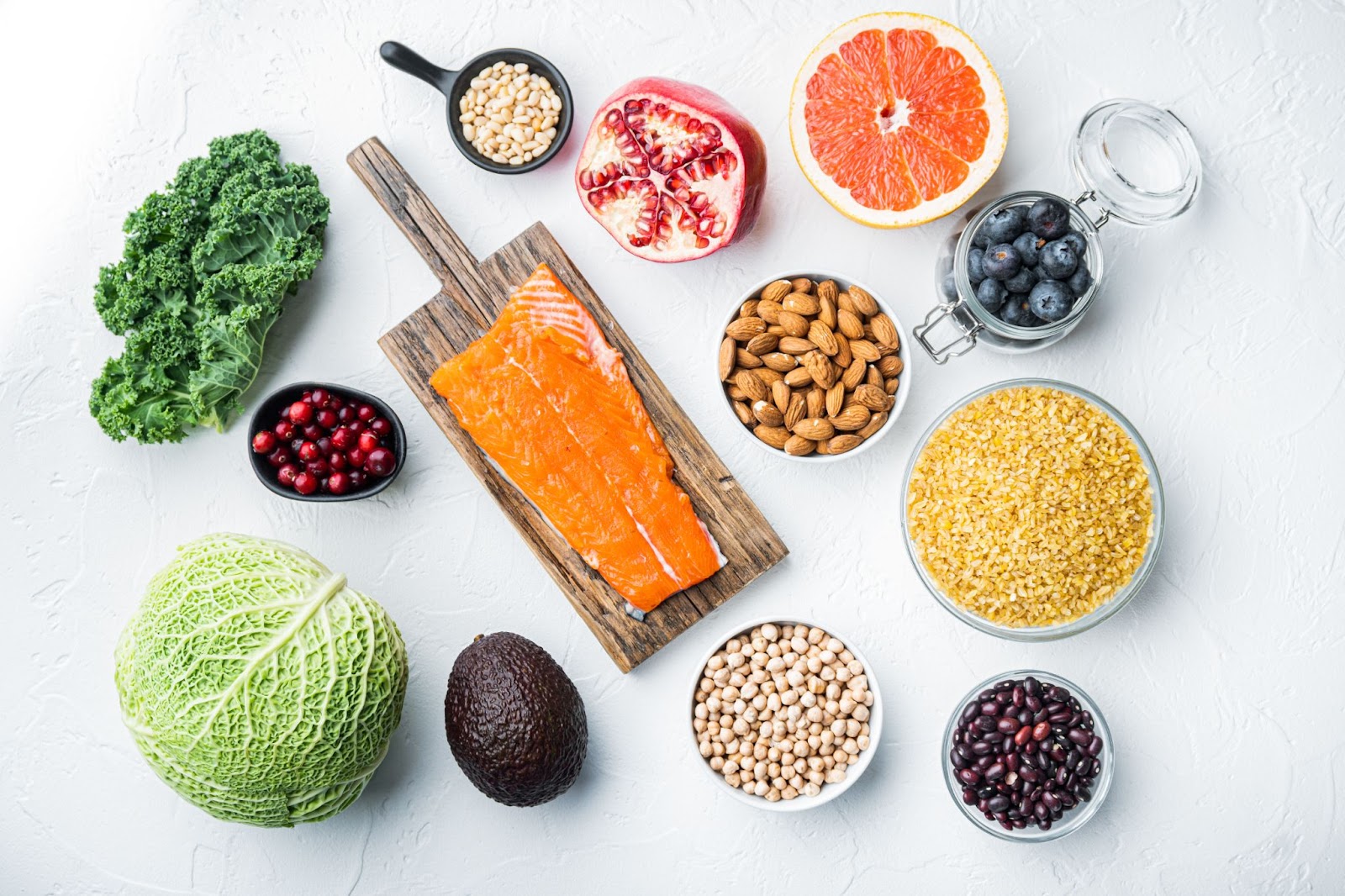
What you eat shapes which microbes thrive. Diets high in fibre and varied plant foods support a diverse microbiome, while diets high in processed foods and sugar reduce diversity. Eating a wide range of fruits, vegetables, whole grains, legumes, nuts and seeds provides different fibres that feed beneficial bacteria and produce health promoting metabolites such as short chain fatty acids. Practical strategies include swapping refined grains for whole grains, adding a bean or lentil to salads, and rotating seasonal produce to increase fibre variety. For those in the UAE, incorporating locally available produce such as dates, figs and regional vegetables helps keep meals both practical and microbiome friendly.
Fibre, prebiotics and fermented foods: the trio that helps
Fibre supports gut bacteria by acting as fuel. Prebiotics are types of fibre that selectively feed helpful microbes: examples include onions, garlic, leeks and bananas. Fermented foods such as yoghurt, kefir, sauerkraut and miso add live microbes and can support gut function for many people. Aim for both fibre diversity and regular fermented foods if tolerated. If you are new to fermented foods, introduce them slowly and monitor symptoms. Traditional and CAM approaches, including some Ayurvedic dietary practices listed by iheal practitioners, recommend gentle introductions and tailored serving sizes to avoid transient bloating.
Sleep, stress and movement influence the gut too
Sleep deprivation and chronic stress change gut microbial patterns and increase inflammation. Regular physical activity increases gut diversity and improves bowel regularity. Managing stress with breathwork, mindfulness or short movement breaks supports both mental health and gut health. Combined, these lifestyle factors create a resilient internal environment for beneficial microbes. For expatriates dealing with cultural adjustment stress or irregular schedules, regular sleep windows and short daily routines (walks, breathwork, light exposure) are powerful stabilisers for the microbiome.
Signs of an imbalanced gut and when to investigate
Common indicators of imbalance include persistent bloating, irregular bowel movements, frequent digestive pain, unexplained fatigue, recurrent skin flare ups or new food intolerances. If symptoms are persistent, severe or accompanied by weight loss, bleeding or fever, seek medical advice and testing. Simple tests and a careful history help identify infections, inflammatory conditions or food related issues. Typical investigations a DHA-licensed clinician might consider include basic blood work, coeliac serology, stool studies for pathogens, and inflammatory markers. More specialised tests such as breath tests for small intestinal bacterial overgrowth or advanced microbiome panels may be helpful in selected cases, but these should be ordered and interpreted by a qualified practitioner.
Microbiome panels can be interesting, but they’re not always the first step — results should be interpreted in context with symptoms and medical history by a qualified clinician.
Do you want personalised gut support?
Do you want a tailored plan for digestion, testing and diet? Book a Quick Consult with a vetted and trained nutritionist or holistic practitioner via iheal for targeted assessment and practical steps.
Book a Quick Consult
Practical meals and habits to build gut diversity
Prioritise whole plant foods across meals: include a vegetable at every meal, try different grains like bulgur or freekeh, and add legumes several times weekly. Use herbs and spices such as turmeric, ginger and cinnamon which support digestion and have microbial benefits. Rotate fruits and vegetables across weeks to expose your microbiome to varied fibres. Meal planning helps: batch cook grains and legumes, keep chopped vegetables ready, and use simple dressings of olive oil and lemon for flavour without upsetting gut balance. In the UAE, include cooling foods and hydrating salads during hot months to support digestion.
When to use probiotics and how to choose one
Probiotics are live microbes that can help in specific situations: after a course of antibiotics, for some types of traveller diarrhea, or for particular functional bowel symptoms such as some forms of irritable bowel. Choose strains and doses backed by evidence for the condition you want to address and look for quality manufacturing with clear labelling. Strain matters: for example, certain Lactobacillus and Bifidobacterium strains have the best evidence for general gut support, while Saccharomyces boulardii is often used for antibiotic associated diarrhoea. Probiotics are not a one size fits all solution, so consult a DHA-licensed practitioner or dietitian to identify the right product and duration.
If you are immunocompromised or have complex medical conditions, always check with a clinician before starting probiotics.
Supplements and targeted supports: use caution and evidence
Certain supplements such as omega three fatty acids, vitamin D and specific fibre supplements can support gut and immune health. Digestive enzymes or bile acid supports may help people with diagnosed digestive insufficiency. Prebiotic fibres such as inulin or partially hydrolysed guar gum can benefit some individuals but may increase gas for others. Avoid broad, high dose cleanses or indiscriminate herbal regimens without professional advice; these can disrupt balance and interact with medications. iheal’s expert-vetted practitioners combine clinical testing with evidence-based supplements when appropriate and monitor responses closely.
Gut health for children and family routines
Early life exposures shape microbiome development: breastfeeding, varied family meals, outdoor play and limited unnecessary antibiotics support healthy microbiome maturation. Encourage family meals with vegetables, fruit and fermented options where culturally appropriate. For children with persistent digestive symptoms, seek paediatric advice rather than trial and error. Practical family habits include modelling diverse diets, encouraging safe outdoor play, and introducing fermented foods in kid friendly forms such as plain yoghurt with fruit.
Travel, climate and gut stability in the UAE context
Travel, heat and dietary changes can affect gut function. When travelling, prioritise hydration, wash hands frequently and choose cooked foods if you are unsure of hygiene. In the UAE, rapidly shifting from outdoor heat to air conditioned spaces may affect appetite and digestion; prioritise steady hydration, fresh produce and regular meal patterns to stabilise gut rhythms. If you travel for work, pack simple prebiotic snacks, probiotic yoghurt sachets if tolerated, and keep a small hydration plan to avoid gut disruption.
Quick Gut Reset (7 days)
- Add 1 fermented food daily (if tolerated)
- Add 2 high-fibre plants daily
- Drink water consistently (esp. in UAE heat)
- Walk 10–20 minutes after one meal
- Keep the same sleep window for 5 nights
Conclusion
Gut health matters across many parts of wellbeing from immunity and mood to metabolism and skin. Build diversity through whole plant foods, manage stress and sleep, move regularly and use fermented foods and targeted supplements thoughtfully. If symptoms persist or worry you, work with a DHA-licensed or DHA-certified clinician to test and personalise your plan: iheal lists rigorously vetted nutritionists, gastroenterologists and CAM practitioners who offer multilingual consultations and culturally competent care. Small, consistent habits create a microbiome that supports long term health and resilience.
🌿Are you in the UAE and want a tailored gut health plan? Book Your Personal Plan with a DHA-licensed nutritionist or holistic practitioner via iheal and get testing, meal plans and practical steps that fit your lifestyle.
👉 Book Your Personal Plan