
Introduction
Eczema, also known as atopic dermatitis, causes itchy, inflamed patches of skin that can be uncomfortable and disruptive. While conventional treatments such as emollients and topical steroids remain central to management, many people seek alternative treatments for eczema to reduce symptoms, manage triggers, and improve long term skin resilience. This article outlines practical, evidence-informed approaches you can use alongside medical care, with UAE-relevant tips where helpful. At iheal we connect you with DHA-licensed, rigorously vetted dermatologists and holistic practitioners who provide culturally competent, evidence-based plans and multilingual consultations.
Quick summary: what this article covers:
- Skincare basics and gentle cleansing
- Moisturisation routines that work
- Identify and avoid common triggers
- Anti-inflammatory dietary strategies
- Probiotics and gut-skin connection
- Topical natural remedies and patch testing
- Phototherapy and sunlight considerations
- Stress management and sleep for flare control
- Textile, heat and humidity strategies for the UAE
- When to combine alternative care with medical treatment
1. Skincare basics: gentle cleansing and bath routines
Use mild, fragrance-free cleansers and lukewarm water rather than hot showers, which strip skin oils and worsen dryness. Limit baths and showers to five to ten minutes and pat the skin dry gently with a soft towel. Immediately apply a moisturiser within three minutes of drying to seal in moisture this “soak and seal” method improves barrier recovery and reduces itch. For children and people with sensitive skin, choose cleansers labeled for sensitive or atopic skin and avoid products with multiple botanical extracts that can be sensitising.
UAE tip: frequent transitions between hot outdoor heat and strong indoor air conditioning increases skin dehydration. Carry a travel-size emollient for quick reapplication after airport or mall visits.
2. Moisturisation routines: choose the right emollient
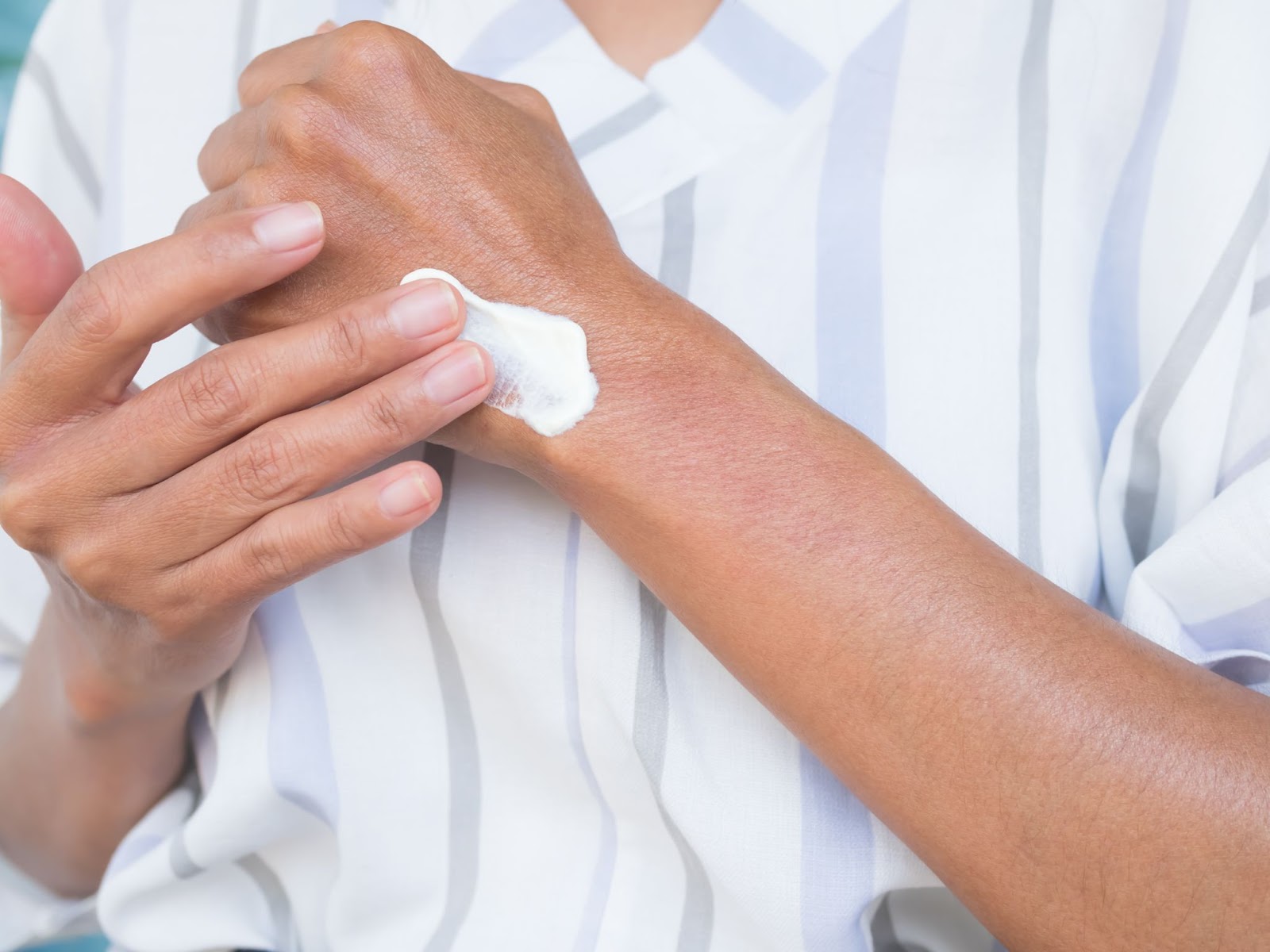
Daily moisturisation is the single most effective self-care step for eczema management. Choose thicker creams or ointments for dry patches and lighter lotions for daytime. Apply liberally at least twice daily and after washing. In the UAE, you may need richer formulations in heavily air-conditioned offices and lighter, non-comedogenic options for outdoor daytime use to avoid heat-related irritation.
Practical routine: apply an emollient immediately after bathing, again before bed, and use a fragrance-free barrier cream on exposed hands or areas that contact irritants. For infants, use a fragrance-free emollient as a soap substitute.
3. Identify and avoid common triggers
Common triggers include fragrances, harsh detergents, wool, certain foods for some people, and rapid climate changes. Keep a simple diary to track flare patterns: note new products, foods, laundry soaps and environmental exposures. In the UAE, consider triggers like strong perfumes, pool chlorine, and sudden transitions from outdoor heat to cool, dry AC indoors. If you suspect a food trigger, test systematically or consult a registered dietitian to avoid unnecessary elimination.
4. Anti-inflammatory dietary strategies: what to try
An anti-inflammatory diet emphasising whole foods, omega-3 fats and antioxidants can support skin health. Include oily fish, walnuts, flaxseed, colourful vegetables and fruits while reducing processed foods and added sugars. Some people notice improvements by reducing dairy or eggs, but elimination should be structured and supervised to prevent nutrient gaps, especially in children.
Evidence note: current research suggests diet can help some people but is not a universal cure. Work with a DHA-licensed nutritionist for personalised plans and safe elimination diets.
5. Probiotics and the gut-skin connection
Emerging research links the gut microbiome to skin inflammation. Certain probiotic strains have shown benefit in reducing eczema severity in some children and adults. Choose well-studied strains and quality products multi-strain, clinically tested formulations are preferable. Probiotics are supportive, not curative, and they work best as part of a broader plan including moisturisation and trigger management.
Want a personalised eczema plan?
Do you wanna personalise your skin care and gut-skin strategy? Book a consultation with a DHA-certified dermatologist or holistic practitioner in the UAE for tailored advice on triggers, diet and safe topical options.
Book a 20-minute Consult <link>
6. Topical natural remedies: do patch tests first
Some topical natural options can soothe skin: colloidal oatmeal baths, plain emollient oils such as sunflower seed oil, and pure aloe vera gel may help some people. Avoid undiluted essential oils and complex herbal preparations which can irritate sensitive skin. Always perform a patch test on a small area for 48 hours before broader use. If redness, burning or increased itch occurs, stop immediately and consult a clinician.
Safety tip: “Natural” does not equal safe for eczema-prone skin. Opt for products with minimal ingredients and third-party quality assurance where possible.
7. Phototherapy and controlled sunlight exposure
Under medical supervision, controlled phototherapy is an effective treatment for moderate to severe eczema. Short, safe sun exposure can help some people by increasing vitamin D and exerting anti-inflammatory effects, but unprotected sun can worsen symptoms or cause burns. In the UAE, avoid peak sun hours and consult a dermatologist before using sunlight therapeutically; sunscreen may still be needed on unaffected areas. Phototherapy should only be delivered in accredited clinics with licensed staff.
8. Stress management and sleep: reduce flare risk
Stress and poor sleep commonly trigger or worsen eczema flares. Practices such as mindfulness, breathwork, cognitive behavioural techniques and a consistent sleep routine lower stress hormones and reduce the itch-scratch cycle. Simple nightly wind-downs cool baths, low lighting and gentle moisturisation help skin and sleep simultaneously. For children, calming pre-bed routines reduce nocturnal scratching and improve sleep for the whole family.
9. Textile, heat and humidity strategies for the UAE
Fabric choice and temperature control are high-impact steps: wear breathable cotton, avoid wool directly on skin and look for soft, tagless garments. In air-conditioned indoor spaces, use a humidifier to prevent excessive drying of the skin. Outdoors in high heat and humidity, change out of sweaty clothes quickly and shower with lukewarm water to remove salt and sweat irritants. When swimming in chlorinated pools, rinse immediately and apply emollient promptly to restore the skin barrier.
10. When to combine alternative care with medical treatment
Alternative approaches are best used alongside medical guidance, especially for moderate or severe eczema. Topical steroids, topical calcineurin inhibitors or systemic treatments may be necessary during flares; moisturisers, trigger avoidance and complementary therapies help reduce medication reliance where safe. Always inform your treating dermatologist about supplements, topical natural products or phototherapy so care is coordinated. For complex cases, multidisciplinary care dermatology plus dietitian and psychological support often delivers the best outcomes.
Conclusion
Alternative treatments for eczema focus on strengthening the skin barrier, reducing triggers and supporting overall resilience. Gentle skincare, consistent moisturisation, trigger management, considered use of probiotics and topical natural options, plus stress reduction and sensible sun strategies create a practical, holistic plan. For persistent or severe eczema, work closely with a dermatologist and choose DHA-licensed and rigorously vetted practitioners for adjunctive therapies to ensure safety and effectiveness. Small, consistent changes typically produce the most durable improvements in symptoms and quality of life.